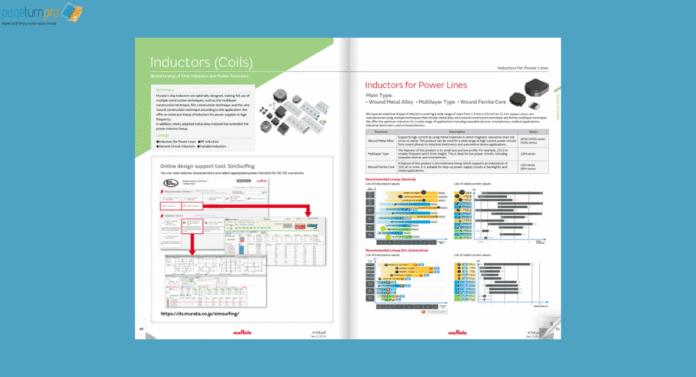
We have all been there. You use a digital catalog with the anticipation of exploring an exciting new product line, nonetheless are instead greeted with a slow and tedious PDF file that needs a lot of time of endless scrolling and pinching to even read a product title. You attempt to turn the page, and the entire affair becomes solid. You are sure to get frustrated, and you close the tab.
That is the last response any business wants from a prospective customer.
This age of e-commerce dictates that your online catalogue is not just a list of products, but an important continuation of your brand experience. It must be engulfing, natural and more importantly, effective. A good digital catalog is not just a list of items displayed: it narrates a story, helps the buyer navigate and transform an audience of casuals into customer loyalty.
You are at the right place in case you are willing to go beyond the unchanging PDF and develop a digital asset that really works. These are five crucial guidelines to creating a digital catalog that will engage your readers and become your sales drivers.
Focus on mobile-responsive design
There is no secret that there has been an explosion in the mobile usage. Your audience is likely to access your catalog on a smartphone or tablet and a large percentage of them will do so. When you design on a desktop monitor only, you are locking out a great portion of your market.
Old-fashioned print designs would not always work on small screens. The information is not legible when the text is reduced in size, and it becomes ineffective when the image is reduced in size. It is not enough to upload a print-ready file but think mobile-first.
The use of responsive layouts is a must
The layout of your catalog platform must be modified automatically according to which device is used. This implies that the text can rearrange so that it does not need to be zoomed in to read, and the navigation buttons must be big enough to be tapped by thumb.
Swipe, don’t click
Imitate the organic behavior of mobile users. Touchscreen page turning is intuitive and interesting. Make sure that you have some type of navigation that responds to gestures and not to small arrows that are difficult to tap.
Have good interactive graphics
The greatest drawback of online shopping is that the customers will not be able to touch or feel the product. Your images have to fill that gap. A two-dimensional image with low resolution can no longer be used. The format is digital in nature, which means that you should utilize the digital aspect of this particular format to make your catalog effective.
Go beyond the static image
Although the foundation is professional photography, it is possible to add rich media content. Integrate 360 product rotation so that buyers can spin the product. Add short video clips of how the product can be used, e.g. a model in a dress, to illustrate movement, or a tool being used in demonstration of its functionality.
Zoom capabilities
Enblow users to expand on high-resolution images in order to see the texture and details. When you are selling furniture, be sure they can see the grain of the wood. When it is a piece of clothing, then allow them to view the sewing. These facts create trust and confidence in the buying.
Introduce smooth shoppability
The main objective of a catalog is to sell. However, most online catalogs are irritating, as they require one to memorize a product code and leave the catalog to visit the site, search the product and add to a cart. Any additional effort is a risk to the customer who may slip away.
This friction can be removed by simply shoppable catalogs.
Integrated shopping carts
Find catalog software, which can be connected with your online store (such as Shopify, Magento, or WooCommerce). This will enable the users to select a product that is in the catalog, have a pop-up that displays the details and add it to their cart without even leaving the catalog environment.
Direct product links
At least make the product images and product names links by clicking on which the user would get redirected to that particular product page in your site. Do not put links to generic category pages, but take them directly to where they want to purchase.
Tell a story with your layout
The statement of products and prices is a spreadsheet and not a list. A powerful catalog motivates the reader. It provides background and lifestyle value. This is the place where the editorial design intersects with e-commerce.
Use “interstitial” content
Stuff in products, do not cram it in. Split the grid with full-page lifestyle images, designer interviews or how-to tutorials. When selling kitchenware, have a recipe page, which contains your products. In a scenario where you are selling camping equipment, just insert a brief article on the finest hiking trails.
Curate collections
Separate group products by theme, mood, or use case, not by category alone. Rather than having a section dedicated to lamps, make a spread on creating a cozy reading nook, which includes a lamp, a comfortable chair, and a throw blanket. This cross-selling method enables the customers to see the relationship between the products and raises the average value of an order.
Optimize for speediness and searchability
No loading screen is more effective at killing engagement. This is good because high-resolution images and videos can even slow down the performance unless properly managed. It is important to balance the quality and technical performance of visual performance.
Smart compression
Use programs that only work to minimize file sizes of images without compromising the quality that can be seen. This has been automated in many of the digital catalog systems where different image sizes are served depending on the internet connection and device used by a user.
Intuitive search functions
Granted that your catalog has 50 pages, do not make the user scroll through all pages to get what he or she desires. Add a strong search feature that will enable customers to search products by their name, SKU or brands. Also, a table of content that can be clicked is necessary to guide in the navigation.
Conclusion
The days of the slow and bulky PDF flipbook have passed. Consumers today demand convenient, interactive and fluid shopping experiences. You can also make your digital catalog a formidable sales engine by making sure it is mobile responsive, including rich media, making it shoppable smoothly, narrating a compelling visual story, and being performance oriented.
A customer tends to interact with your new collection beforehand through your catalog. Make it count. Get beyond mere presentation and begin to plan to make a difference.
PageTurnPro digital catalog software is a solid option you can try for free for 15 days.