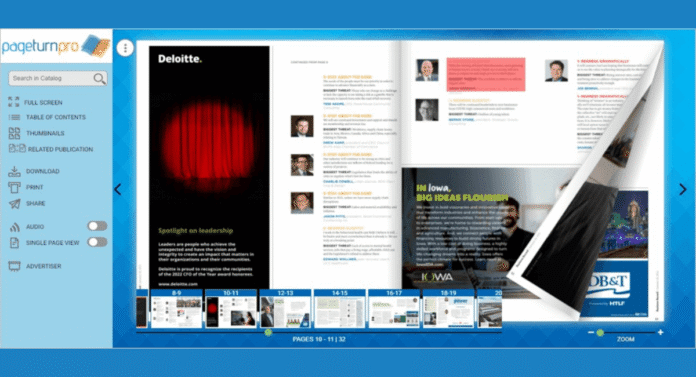
The publishing industry has transformed dramatically over the past decade. Traditional print media now competes with digital-first publications, while independent creators can reach global audiences without ever stepping into a publishing house. This shift has created an unprecedented demand for online publishing software that can handle everything from content creation to distribution. Whether you’re starting an online magazine, running a corporate blog, or creating a content-rich site, selecting the proper publishing platform can spell make-or-break success.
The difficulty is how to make your way through the busy market of publishing software. Some tools are great at design but don’t have strong content management capabilities. Others are great for analytics but miss on user experience. The important thing is to know which features really count for your particular publishing needs.
What Makes Online Publishing Software Essential
Publishing software is the backbone of online content operations. Such platforms are much more sophisticated than blogging software of past years and have developed into holistic content management environments that cover everything from initial drafts to final publication and performance measurement.
The appropriate publishing software simplifies workflows, lowers technical barriers, and allows creators to do what they do best: create great content. Below are seven characteristics that distinguish top-notch publishing platforms from the mediocre.
1. Intuitive Content Editor
A rich content editor is the cornerstone of any good publishing platform. Your writing process must be natural and distraction-free so you can think solely about developing your message.
Seek out editors that have support for rich text formatting, inline images, and collaborative editing. The best services have both visual and code editors so that you have flexibility if you like a word processor-like interface or require direct access to HTML for fine-grained customization.
Modern editors are also packed with features such as auto-save, version history, and instantaneous integration with famous writing tools. These features make your work never lost again and multiple team collaborators can work without conflicts.
2. Multi-Format Publishing Features
Your content plan probably involves multiple formats and channels. The best publishing software acknowledges this fact by being able to handle multiple types of content in one platform.
No matter what type of content you’re producing, long-form posts, photo galleries, video, podcasts, or interactive content, your publishing platform should support each format elegantly. This means it should optimize files for web presentation, create responsive layouts across various screen sizes, and enforce consistent branding across all types of content.
Multi-format support also carries over to output choices. Your system must allow publishing to your site, the creation of email newsletters, social media posts, and even print-ready formats from the same original content.
3. Power SEO Tools
Search engine visibility is what can turn the difference between a successful publication and one that languishes for readers. Built-in SEO tools are essential components to include in your software choosing process.
Successful SEO capability involves management of meta title and description, keyword optimization recommendations, and auto-generating schema markup. Advanced tools offer real-time content analysis, including keyword density checks, readability scores, and technical SEO considerations as you type.
The top publishing platforms also take care of technical SEO needs in the background, including the creation of XML sitemaps, canonical URL handling, and page load optimization. These behind-the-scenes interventions play a significant role in your search engine rankings without demanding technical capabilities on your content team.
4. Advanced Analytics and Reporting
Understanding your audience’s behavior provides the insights needed to refine your content strategy and grow your readership. Comprehensive analytics capabilities should extend far beyond basic page view counts.
Quality publishing platforms track user engagement metrics like time on page, bounce rates, scroll depth, and social sharing patterns. This data reveals which content resonates with your audience and which topics might need different approaches.
More advanced reporting capabilities include traffic source analysis, audience segmentation, and conversion tracking. Platforms either integrate with third-party analytics tools or have built-in dashboards that display data in actionable ways. The most important factor is having access to insights to use to make future content choices instead of just recording history.
5. Customizable Design Templates
Your publication’s look and feel is important for creating credibility and brand awareness. Publication software must provide high levels of design control without demanding advanced technical expertise.
Advanced template collections offer the beginnings of different types of publications, from news websites to corporate blogs to creative portfolios. But customization features are more important than numbers of templates. Find platforms that enable you to change colors, fonts, layout, and branding elements with ease.
Responsive design features ensure that your content appears fantastic on every device. With most web traffic coming from mobiles, your publishing system needs to optimize layouts for smartphones, tablets, and desktops automatically.
6. Content Management and Organization
With growth in your publication, content organization becomes more important. Good publishing software should offer various methods for categorizing, tagging, and organizing your content for both readers and content authors.
Taxonomies and tagging systems allow readers to find related content while allowing you to measure performance across various topics and categories. Editorial calendars and workflow management features keep large teams of contributors aligned and publishing schedules consistent.
Advanced content management features include scheduled content, bulk editing features, and automatic archiving of content. These features become invaluable as your library of content grows and several contributors are added to your publication.
7. Integration and Extensibility
Your publishing platform does not have to stand alone. Contemporary content operations draw on many social media management tools, email marketing tools, customer relationship management tools, and analytics tools. Your publishing software needs to integrate with your current technology stack.
API access provides custom integrations to specialized tools your company employs. Built-in integrations with mainstream services such as Google Analytics, Mailchimp, social media, and payment gateways save development hours and lower technical complexity.
Plugin frameworks add platform functionality without custom development. E-commerce functionality, membership sites, or even advanced content formatting tools are all added to the base platform as your needs evolve.
Conclusion
Choosing online publishing software involves weighing your present needs against future expansion goals. Begin by taking stock of your current content operations and determining the largest sore spots in your present workflow.